
TL;DR
Are you noticing yellowing, peeling edges, fading, or bubbling in your paint protection film? These are signs it may be time to replace it. While PPF can last up to 10 years, Texas heat and road wear can shorten its lifespan. Regular inspections and professional input help ensure your car stays protected.
Table of Contents
How Long Does PPF Usually Last?
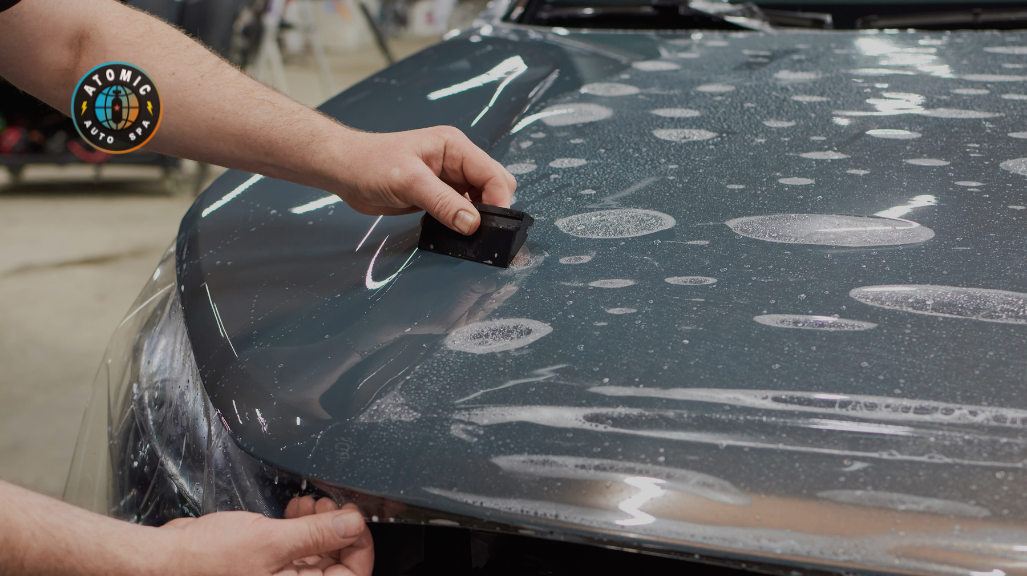
Generally, high-quality paint protection film can last 5 to 10 years, depending on the product and how well you maintain it. At Atomic Auto Spa, we install PPF that, when properly cared for, falls on the higher end of that range.
However, environmental factors like intense UV exposure, road salt, bugs, and chemicals can shorten its lifespan. If your car lives outdoors mostly in Texas heat, you’ll want to monitor your PPF’s condition closely.
Related: How Long Does Paint Protection Film Last on a Car?
Top Signs It’s Time to Replace Your Paint Protection Film
1. Yellowing or Discoloration
Early generations of PPF were prone to yellowing due to UV exposure. Modern films are better, but even the best ones can show signs of discoloration over time, especially on lighter-colored cars.
2. Peeling or Lifting Edges
When the film begins to peel away, particularly near hood edges, mirrors, or bumpers, it’s time to consider replacement. Once the adhesive fails, water, dirt, and debris can creep underneath and cause further damage.
3. Surface Cracks or Brittleness
PPF can become brittle as it ages, leading to small cracks or a dull appearance. This reduces the film’s ability to flex and protect your paint.
4. Bubbling or Wrinkles
Bubbles or wrinkles usually indicate poor installation, moisture intrusion, or aging. Even if the rest of the film looks good, these spots can compromise the protection.
5. Loss of Gloss or Hydrophobic Effect
If your car suddenly stops shedding water and doesn’t shine like it used to, your PPF’s top coat may deteriorate. While ceramic coating can revive some shine, severe degradation may require film replacement.
Texas Climate and Its Effect on PPF
Texas drivers face high heat, heavy rains, UV rays, and plenty of road grime—all of which accelerate PPF wear and tear. Parking outside under direct sunlight daily? Expect the topcoat to break down sooner than if your vehicle is garaged.
That’s why we recommend Texas drivers check their PPF closely every few months. Things wear faster here.
What Happens If You Don’t Replace It?
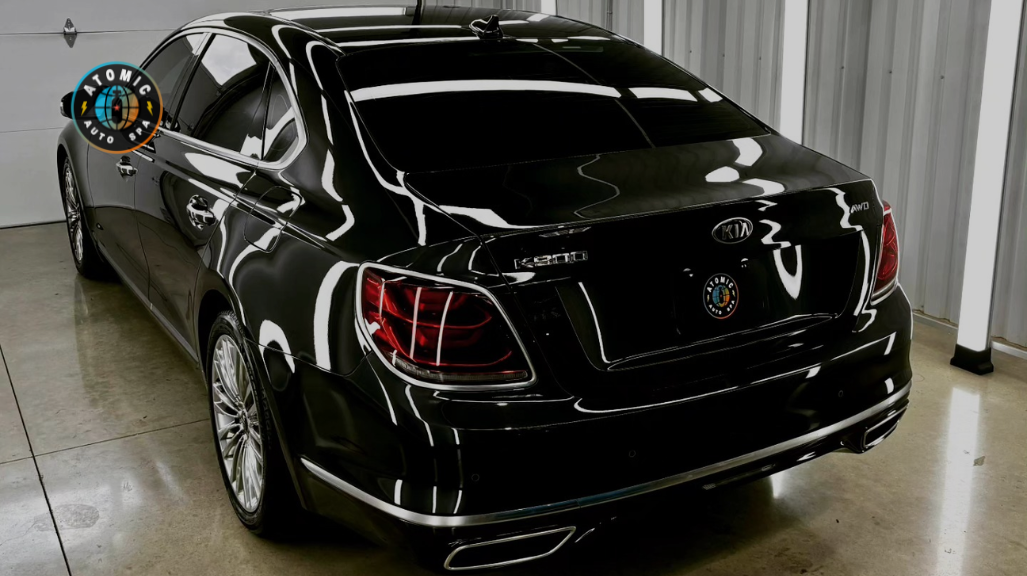
Waiting too long can create more significant problems. Moisture and debris trapped under compromised film can scratch or etch your paint. Over time, removing aged film can become more complex, increasing the risk of paint damage.
Letting old PPF linger doesn’t save money in the long run—it could lead to costly paint correction or repainting later.
Should You Replace or Remove It Entirely?
That depends on the condition of your car and your goals.
If you plan to keep the vehicle long-term, replacing the PPF helps maintain its value and appearance.
If you’re selling the car, removing yellowed or cracking film may be better than leaving it on.
If only specific panels are affected, you can replace just those sections.
In any case, a shop like Atomic Auto Spa can inspect and advise you on the best approach.
Tips for Extending PPF Lifespan
Wash regularly with pH-neutral soaps
Avoid harsh chemicals or degreasers
Use microfiber towels for drying
Apply ceramic coating over the film for added protection
Park in shaded or covered areas when possible
Routine care makes a big difference in how long your film lasts.
Related: How to Maintain Paint Protection Film
When to Talk to a Pro
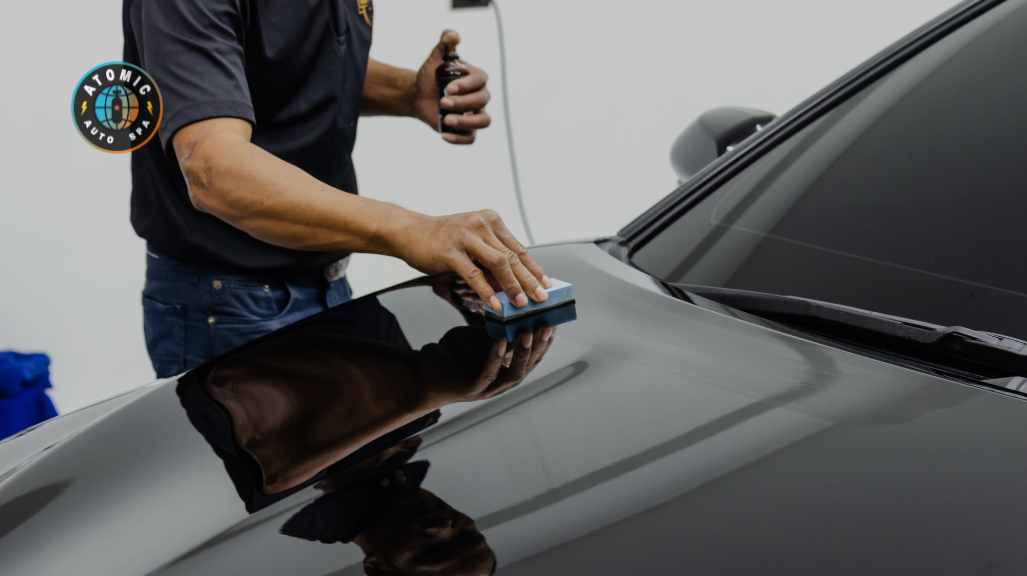
If you’re unsure about your film’s condition, getting a second opinion is always better. At Atomic Auto Spa, we’ve seen thousands of PPF installations and removals. We can immediately tell whether your film needs some TLC or it’s time to start fresh.
Stop by our shop in Round Rock or reach out online. We’re always happy to help local drivers make smart decisions about paint protection.
Related Posts: