
Will pressure washing your car damage the paint protection film (PPF)? You’re not alone. Many Texas drivers with PPF want to clean their cars efficiently without risking their investment. Here’s what you need to know about using a pressure washer safely on a vehicle protected with PPF, straight from the Atomic Auto Spa – Paint Protection Experts team.
TL;DR
Yes, you can use a pressure washer on a car with paint protection film—but with caution. Keep the pressure below 2000 PSI, hold the nozzle at least 12 inches away, and avoid edges and seams. Stick to soft angles and use fan tips. The proper technique keeps your PPF looking great without risk.
Table of Contents
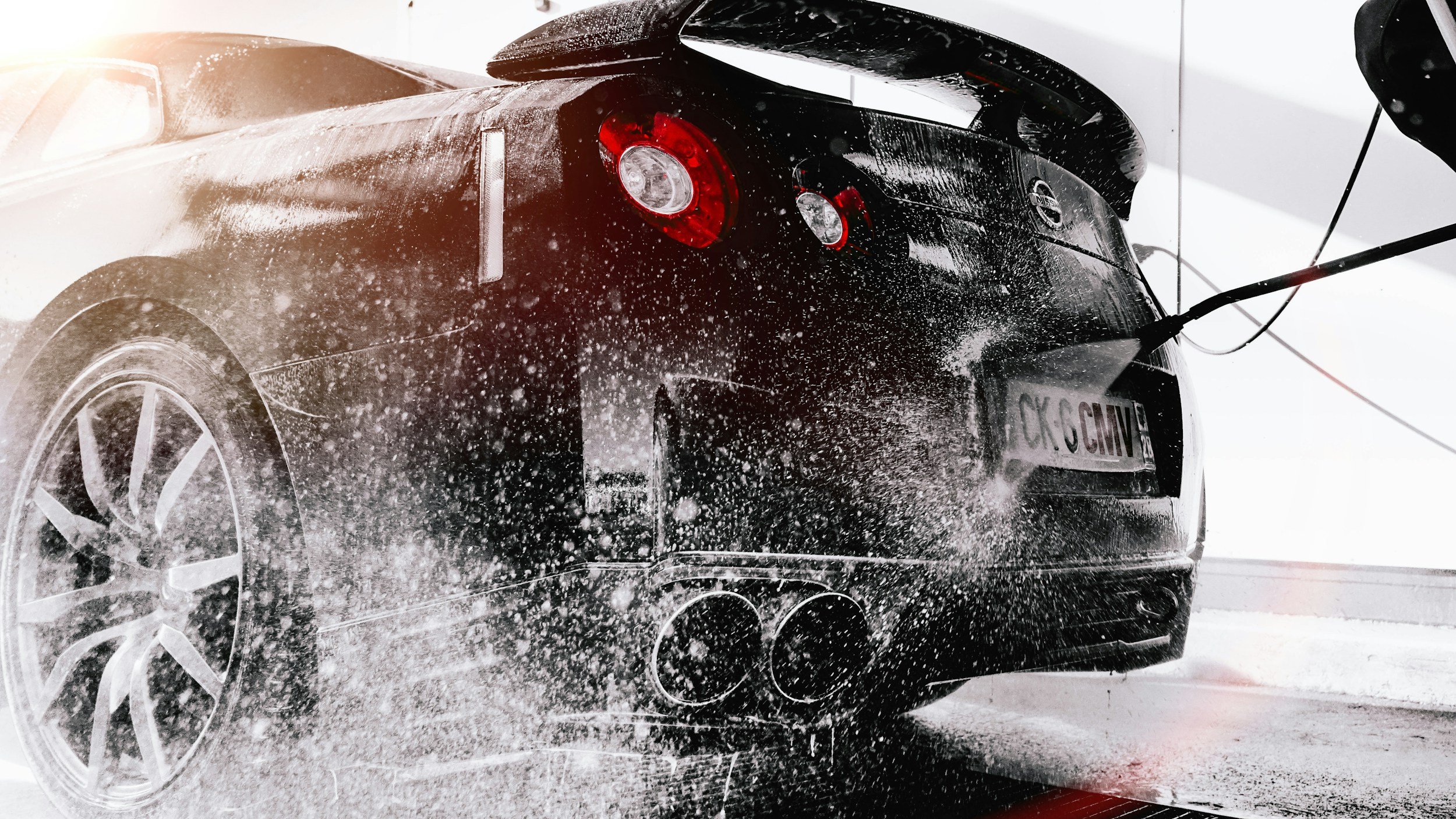
Is It Safe to Pressure Wash a Car with PPF?
Yes, generally, but it depends on how you do it. Pressure washers can dislodge poorly installed or aging PPF, especially around the edges. However, when done correctly, they’re a safe and effective way to keep your car clean.
The key is to respect the film’s integrity and not go overboard with water pressure or angle.
What PSI Is Safe for PPF?
To stay on the safe side:
Keep your pressure washer under 2000 PSI
Use a 40-degree fan tip
Maintain a distance of at least 12 inches from the surface
This approach removes grime and bugs without compromising the adhesive underneath your film.
Best Nozzles and Tips for Washing with PPF
Stick to nozzles designed for gentler applications:
White tip (40°) – ideal for wide, gentle coverage
Green tip (25°) – use with caution for stuck-on debris
Avoid red tips (0°) completely—those are aggressive and can cut into vinyl and PPF
Also, consider using foam cannons or pre-soak solutions to minimize the need for intense spraying.
Related: How to Maintain Paint Protection Film
Areas to Avoid When Using a Pressure Washer
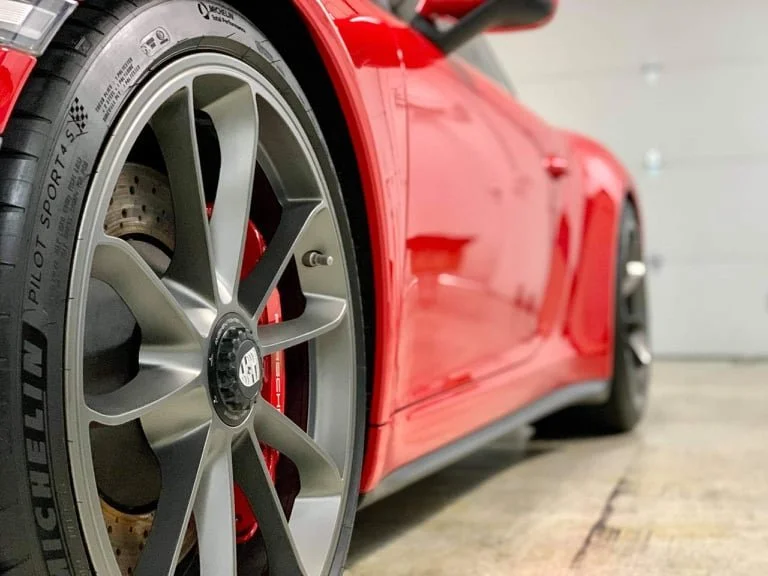
Be incredibly gentle around:
Edges of the film (hoods, fenders, mirrors)
Seams or overlaps in multi-panel installations
Bubbling or lifting spots (if any exist)
Direct, high-pressure streams at the edge can cause the film to peel prematurely.
Smart Pressure Washing Techniques
Start from the top and work your way down
Keep the wand moving—don’t let it sit in one spot
Spray at a 45° angle, never directly perpendicular
Rinse before and after using any cleaners or soaps
Use filtered or softened water when possible to prevent hard water spotting
Combine these techniques with proper drying (microfiber towels only!) to avoid streaking or water spots.
When to Skip Pressure Washing Altogether
Skip pressure washing if:
Your PPF is already peeling or lifting
The film is older than 7–10 years and showing wear
You see cracking, yellowing, or brittleness
In these cases, hand washing is safer. If you have any doubts, stop by our Round Rock shop for a quick inspection.
Final Thoughts
Pressure washing can be perfectly safe for your PPF-coated car if you know the right way to do it. Think technique over force. Done well, it’s a convenient and fast way to keep your vehicle shining and your film in great shape.
If you’re ever unsure whether your film is still holding strong, contact our PPF specialists. We’ll take a look and help you decide what’s best for your car.
Related Posts: