
Ceramic Coating Over PPF – Should You Do Both?
TL;DR
Yes, you can absolutely apply ceramic coating on top of paint protection film (PPF). The two products serve different purposes: PPF defends against rock chips and scratches, while ceramic coating makes cleaning easier, boosts shine, and adds hydrophobic and UV-resistant properties. For Round Rock drivers, combining both gives you the best of both worlds—but it comes with a higher upfront cost. If you’re serious about protecting your investment in the long term, layering a ceramic coating over PPF is one of the smartest moves you can make.
Table of Contents
What Is Ceramic Coating (Quick Refresher)
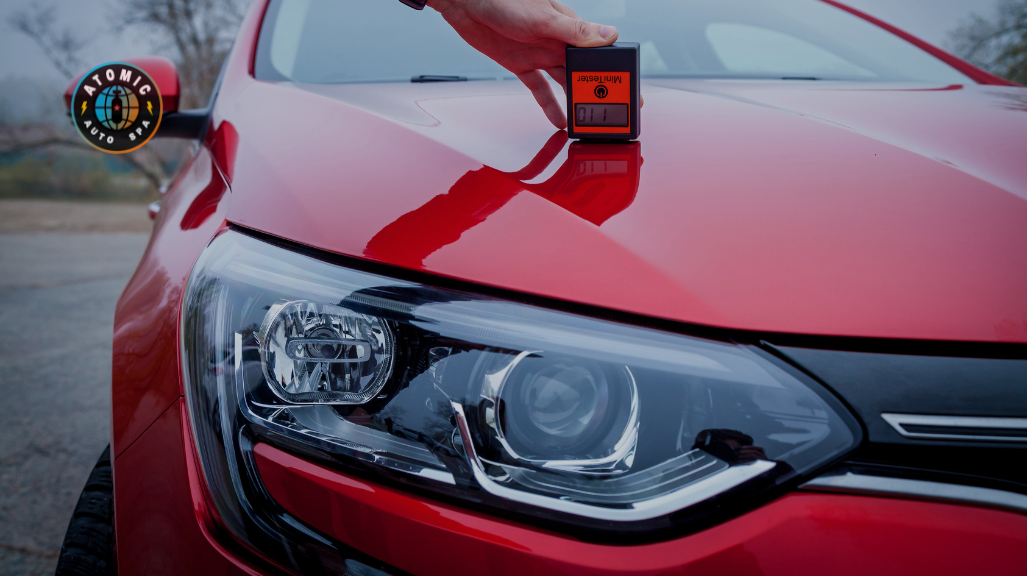
Ceramic coating is a liquid polymer that bonds to your car’s clear coat (or, in this case, your PPF). Once cured, it forms a protective layer that:
Makes water bead and roll off (hydrophobic effect).
Adds a deep, glossy shine.
Shields against UV rays that cause paint fading.
Helps resist minor chemical stains (bird droppings, bug guts, etc.).
Unlike PPF, ceramic coating does not prevent rock chips or scratches; its primary function is mostly cosmetic enhancement and ease of maintenance.
👉 For more details, check out our post: Protect Your Car’s Paint in Texas Weather.
What Does PPF Do?
Paint Protection Film (PPF) is a clear urethane film designed to absorb physical impact and protect your vehicle’s paint from:
Rock chips on highways like I-35.
Door dings and road debris.
Every day scratches and swirl marks.
Installed correctly, PPF lasts 5–10 years and keeps your paint looking newer longer.
👉 Learn more about our Paint Protection Film Installation in Round Rock.
Can You Apply Ceramic Coating Over PPF?
Yes—and in fact, many professionals recommend it. Ceramic coating bonds to the top layer of the PPF, not directly to your paint. As long as the film is clean, cured, and properly installed, ceramic coating will adhere just fine.
👉 We already explored the comparison in PPF vs Ceramic Coating: Which One Should You Choose?. But here’s the key: You don’t always have to choose—you can do both.
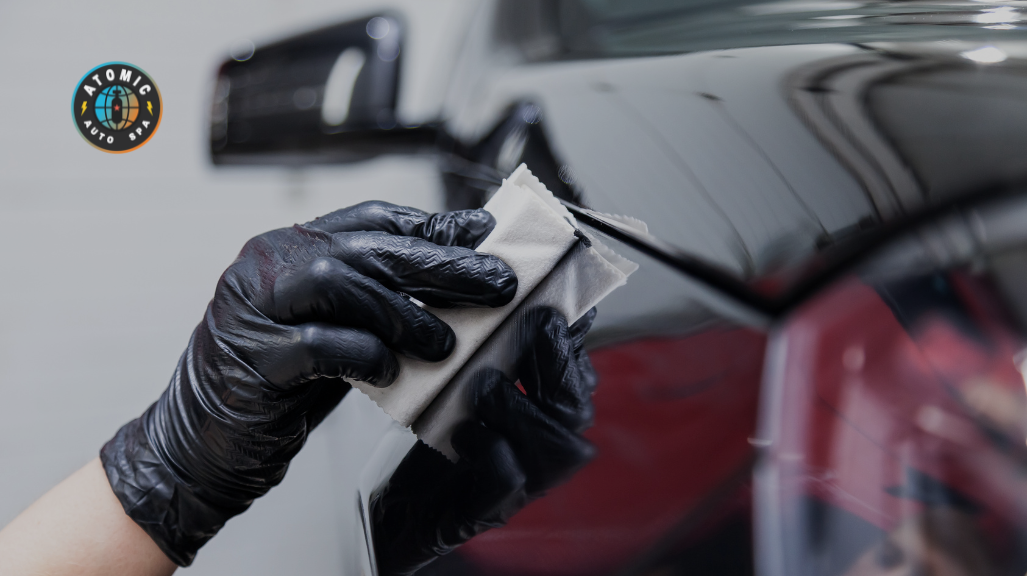
Benefits of Combining PPF + Ceramic Coating
Impact Protection + Hydrophobic Layer
PPF takes the hits from rocks and chips.
Ceramic coating keeps water, dirt, and road grime from sticking.
Longer Film Lifespan
Ceramic coating adds an extra layer of UV defense, helping prevent PPF from yellowing or wearing prematurely.
Gloss and Shine
Coating enhances the “wet look” of PPF, giving your car a showroom finish.
Easier Cleaning
Ceramic-coated PPF is much easier to wash—bugs, tar, and bird droppings wipe away without the need for scrubbing.
Downsides & Considerations
Higher Upfront Cost: Adding ceramic coating over PPF means paying for two premium products and installation.
No Double Protection Against Rock Chips: Ceramic coating doesn’t make your PPF stronger—it only enhances it.
Requires Professional Installation: For optimal performance, both layers must be applied by a trained installer.
👉 For brand insights, see our breakdown: Best Brands of Paint Protection Film: XPEL vs 3M vs SunTek.
Who Should Consider Doing Both?
Luxury & Exotic Car Owners → who want maximum protection and shine.
Daily Drivers in Texas → exposed to UV, bugs, gravel, and sudden storms.
Long-Term Owners → planning to keep their car 5–10 years and preserve resale value.
Why It Matters for Texas Drivers
Here in Round Rock and Central Texas, your car faces:
Harsh UV rays are nearly year-round.
Gravel and debris on busy highways.
Sudden weather shifts (rain to blazing heat).
A combo of PPF + ceramic coating means:
PPF takes the physical abuse.
Ceramic coating keeps your car cooler, shinier, and easier to maintain.
Final Verdict
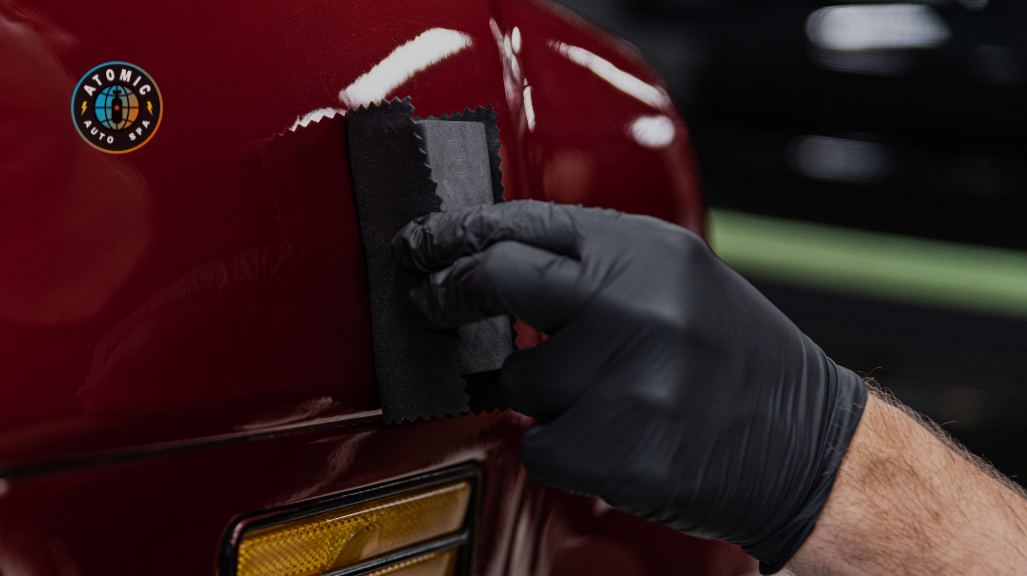
If you’re on a budget, start with PPF, since it provides the most critical physical protection.
But if you want the ultimate package—especially if you own a luxury, sports, or daily driver you plan to keep—adding ceramic coating on top of PPF is the best decision. Together, they give you long-lasting, low-maintenance protection that keeps your car looking new in Texas conditions.
At Atomic Auto Spa Round Rock | Tint, Ceramic & PPF, we specialize in layered protection strategies. Whether you want just PPF, just ceramic coating, or both, we’ll customize the right solution for your vehicle.
FAQs
-
No. Ceramic coating bonds to the surface of the PPF without harming it.
-
Typically, 2–5 years, depending on the coating quality and the car's maintenance.
-
Yes, but most installers wait a few hours to ensure the PPF adhesive has settled.
-
For most Texas drivers seeking long-term value, the answer is yes. The added hydrophobic layer makes maintenance easier and enhances appearance.