
Paint protection film (PPF) is a smart investment, especially for Texas drivers who want to protect their car from harsh sun, bug splatter, and road debris. But like any good investment, it needs a little care to keep performing at its best. If you’ve already taken that step with our paint protection film services in Round Rock, this guide will help you get the most out of it for years to come.
TL;DR
Maintaining paint protection film is simple: wash regularly, avoid harsh chemicals, use the right drying techniques, and schedule occasional checkups. You don’t need a fancy maintenance plan—just some consistency and a little know-how.
Table of Contents
Why PPF Maintenance Matters
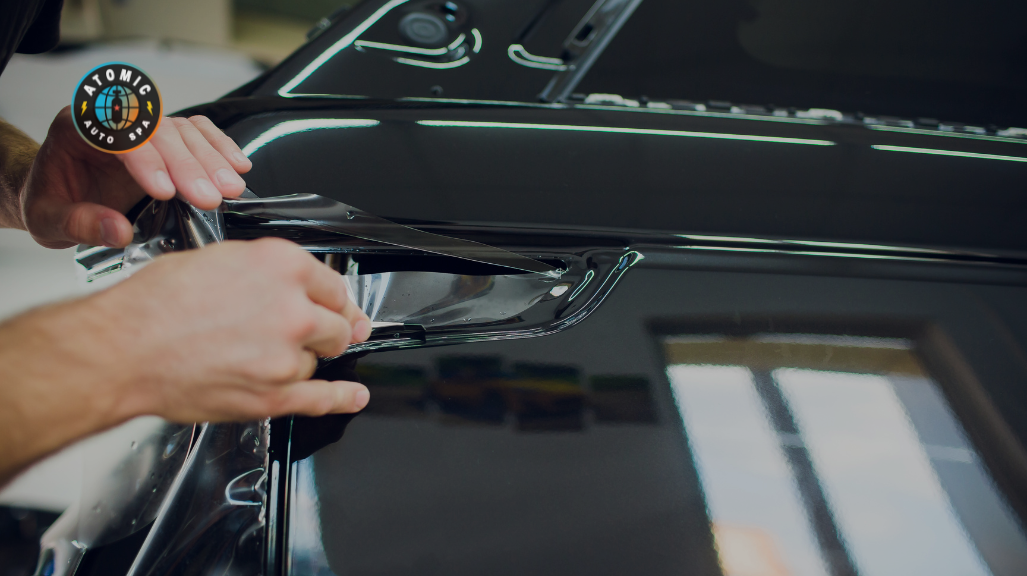
Even though PPF is built to last, it isn’t bulletproof. Regular upkeep preserves the film’s clarity, gloss, and self-healing properties. Without it, grime and contaminants can accumulate, dull the finish, and even shorten the lifespan of the film.
Think of it like this: you wouldn’t install hardwood floors and never mop them. Same goes here. PPF maintenance is all about protecting your protection.
How Often Should You Clean PPF?
Aim to wash your vehicle every 1–2 weeks. In dusty environments or after rainy days, wash sooner to prevent dirt or mineral buildup. The goal is to keep your film free from stubborn contaminants that can wear down the topcoat over time.
Extra Tip
Try washing in the shade or during cooler parts of the day. Texas sun can dry soap too quickly and leave residue on the film.
Safe Cleaning Products for PPF
Use products designed for paint protection films or gentle automotive surfaces. Here’s a go-to list:
pH-neutral car wash soap
Microfiber wash mitts and towels
Two-bucket method with grit guards
Touchless drying tools (like a blower)
Avoid:
Harsh degreasers or APCs
Solvents or tar removers unless labeled PPF-safe
Abrasive sponges or towels
Explore our guide on how to wash your PPF car safely for more detail.
Drying and Post-Wash Care
Dry the vehicle using clean microfiber towels or a blower. Avoid dragging towels across the surface—pat dry instead. After drying, consider applying a PPF-safe quick detail spray to enhance shine and boost slickness.
Some films have hydrophobic properties, but over time they can fade. If water stops beading, it might be time for a quick maintenance spray.
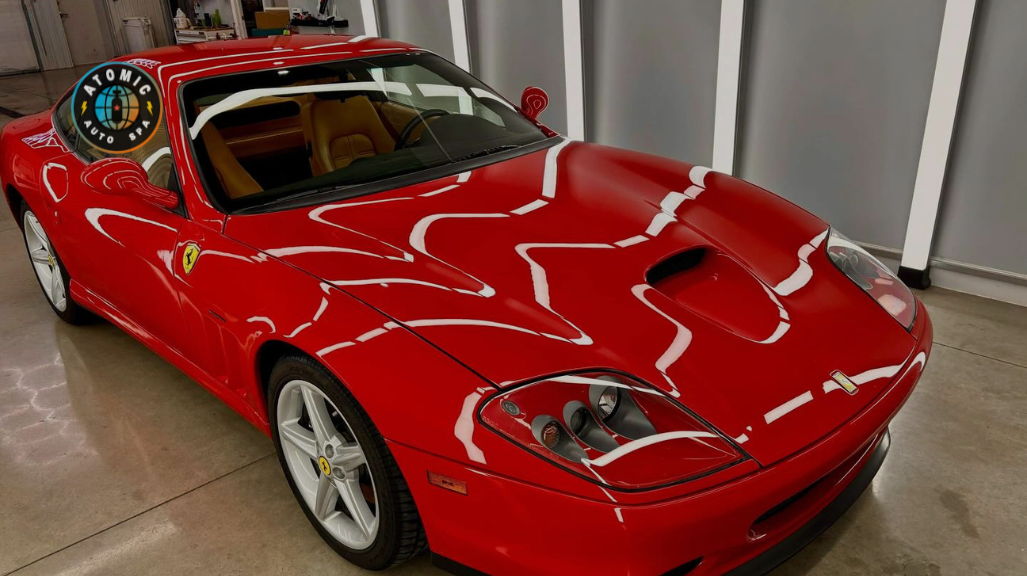
When to Spot Clean PPF
Bird droppings, bug splatter, tree sap—these should be cleaned off as soon as possible. Letting them sit can stain the film. Keep a bottle of PPF-safe waterless wash or detailer in your trunk for on-the-go cleanups.
Pro tip: Use a soft microfiber cloth, and don’t rub too hard. Let the product lift the contaminant, not elbow grease.
Dealing with Stains and Contaminants
If you notice discoloration or water spots, use a dedicated film cleaner or consult a professional. Never clay bar your film without proper guidance—it can scratch or dull the finish.
You can also contact Atomic Auto Spa for an inspection or to schedule a PPF-safe decontamination detail.
PPF Inspections and Touch-Ups
Take a few minutes each month to inspect your PPF. Look for lifting edges, bubbling, or scratches. While self-healing films can repair minor swirls with heat, deeper damage may need a pro to fix.
Don’t wait until it gets worse—touch-up work is usually faster and cheaper when addressed early.
Should You Add Ceramic Coating?
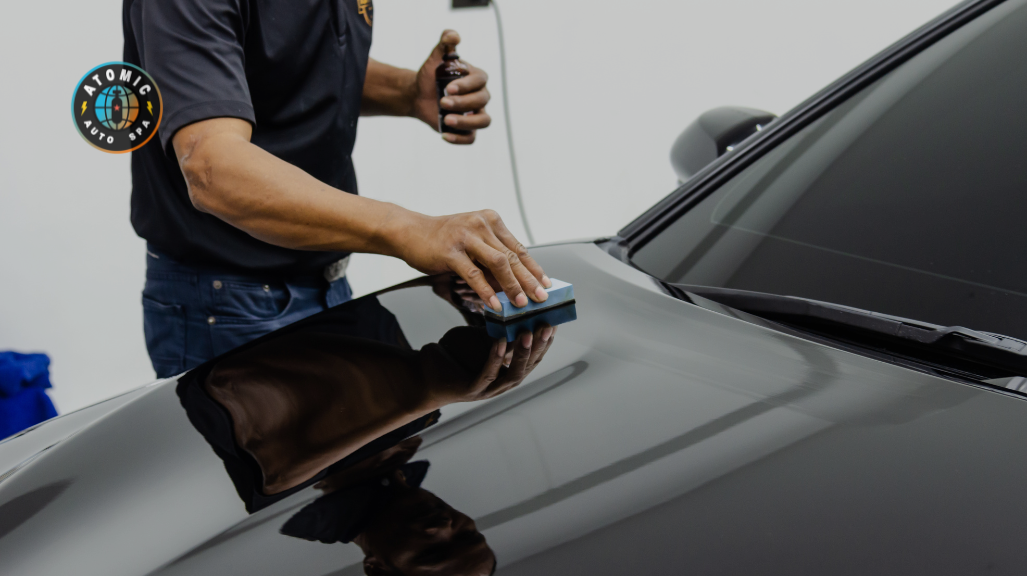
For even easier maintenance, consider adding ceramic coating over your PPF. It adds hydrophobic properties, UV resistance, and makes cleanup a breeze.
Learn more in our post: Can You Apply Ceramic Coating Over PPF?
Related Posts: