
TL;DR
Paint Protection Film (PPF) can last anywhere from 5 to 10 years, depending on the quality of the product, your driving habits, and how well it’s maintained. Your mileage may vary if you’re cruising the Round Rock roads regularly or parking in the sun a lot. But with proper care—and a professional install—your PPF can provide years of solid paint protection.Explore our PPF services in Round Rock.
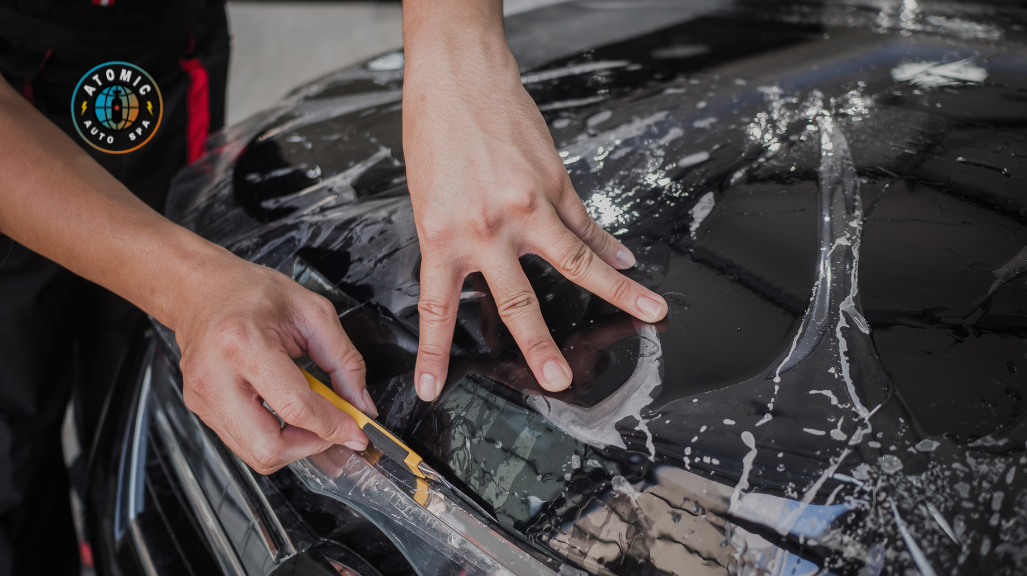
Table of Contents
If you’re investing in paint protection, it’s only natural to wonder how long that invisible armor will last. Paint Protection Film (PPF) is designed to be tough, but it isn’t forever like anything on your car. With the right product and a bit of care, you can expect it to last many years before it needs replacement.
Average Lifespan of PPF
Most high-quality PPFs are engineered to last 5 to 10 years. This range depends on several factors:
Material quality: Premium brands like XPEL, SunTek, and 3M offer multi-layer films with self-healing properties and UV resistance.
Installation quality: A professional install ensures the film is bonded correctly and won’t peel or lift prematurely.
Driving environment: Your film will wear more if you frequently use gravel roads or are in extreme climates.
Maintenance habits: Proper washing and avoiding abrasive products can significantly extend the film’s lifespan.
Signs Your PPF Needs Replacement
You don’t need to replace your film just because a few years have passed. Instead, keep an eye out for these signs:
Yellowing or discoloration
Peeling or bubbling at the edges
Scratches that no longer self-heal
Visible wear in high-impact areas
If your car is exposed to the elements often, inspecting the film yearly is a good idea.
How to Maximize the Life of Your PPF
Want to squeeze every bit of value from your PPF? Follow these tips:
Stick to hand washing or use touchless washes—avoid automatic brushes.
Use PPF-safe detailing sprays to clean and protect the surface.
Avoid waxing over the film unless you’re using products specifically labeled PPF-safe.
Park in shaded or covered spots to reduce UV exposure.
These little habits go a long way in preserving both the film and your underlying paint.
When to Replace PPF
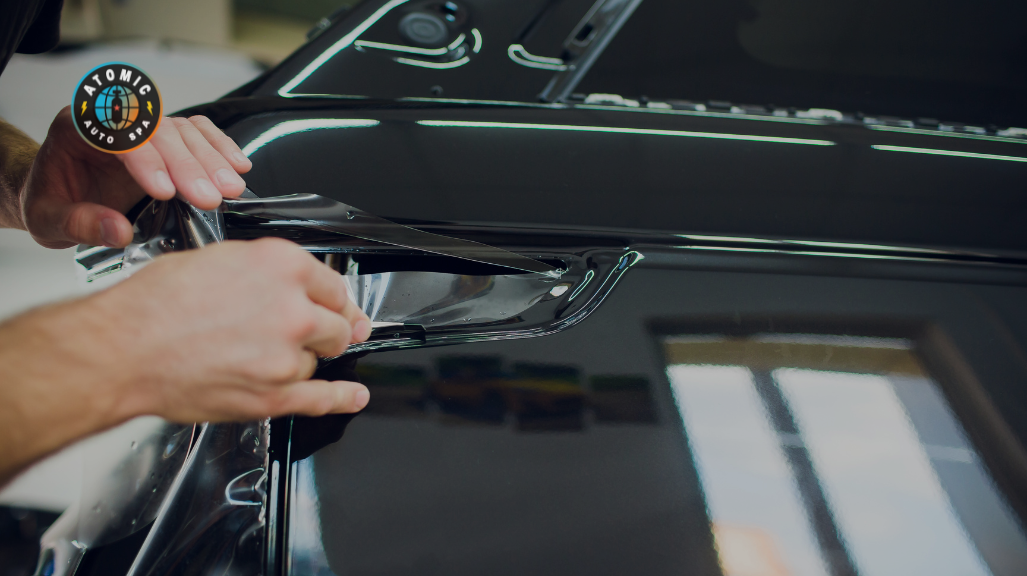
Generally, if your PPF has visible damage, no longer self-healing, or affects your vehicle’s aesthetics, it’s time for a refresh. Some drivers replace only the most exposed areas, like the front bumper or hood, while others opt for a complete reapplication depending on the car’s age and use.
And yes, it’s absolutely fine to reapply for PPF even if your vehicle is a few years old. It’s more about the condition of the film and your personal preference than the calendar.
Is the Investment Worth It Long-Term?
Even with an average lifespan of 7 years, PPF can prevent thousands of dollars in potential paint damage and resprays. It’s a smart investment, especially for car enthusiasts, luxury car owners, or folks who plan to keep their vehicle looking sharp for years.
Final Thoughts
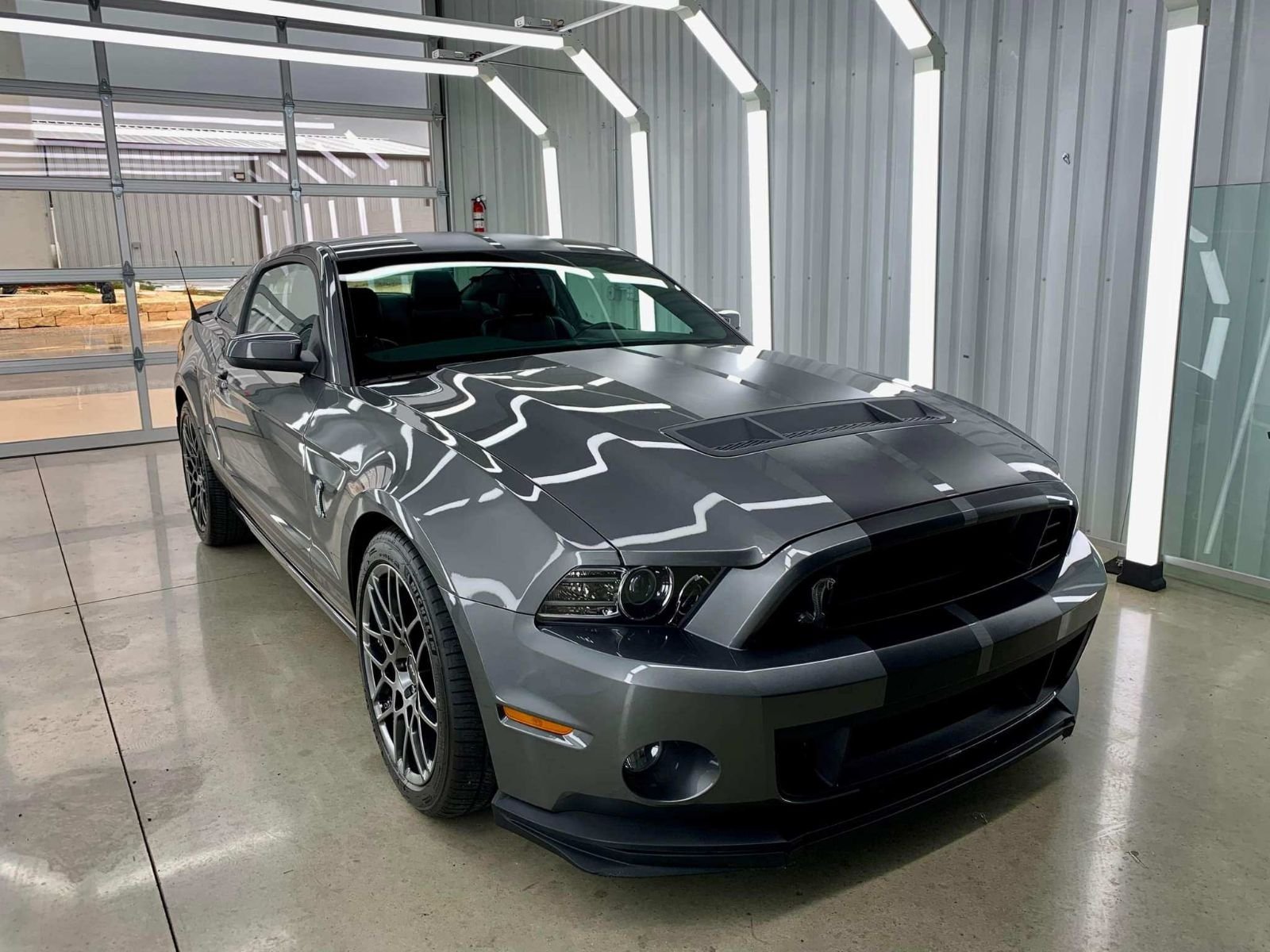
If you’re driving through Round Rock and want to keep your vehicle’s finish clean and sharp, Paint Protection Film can stick around longer than most people think. Just be mindful of your care habits and keep an eye on wear. If you’re unsure about the condition of your PPF—or thinking about installing it for the first time—we’re here to help.
Contact Atomic Auto Spa for expert advice or to schedule a personalized consultation.