
Can You Polish Paint Protection Film?
If you’re wondering whether it’s okay to polish paint protection film (PPF), you’re not alone. Many drivers—especially those who care about a glossy finish—ask this question after getting their car wrapped in PPF. Let’s break it down.
If you’re new to paint protection film, check out our full PPF installation services at Atomic Auto Spa in Round Rock. We help car owners protect and maintain their vehicles' finishes year-round.
TL;DR
Yes, you can polish paint protection film, but it needs to be done gently and correctly. Use non-abrasive polishes designed for PPF, avoid machine buffing unless done by a pro, and always test a small section first. The goal is to revive clarity and gloss without damaging the film.
Table of Contents
What Is Polishing and Why Do It?
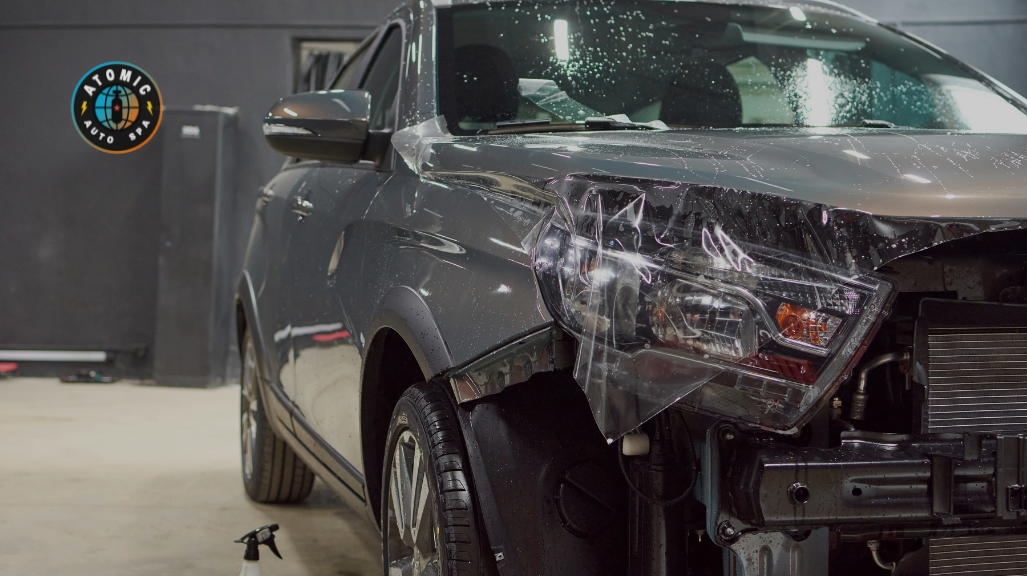
Polishing is a light abrasive process that removes minor imperfections and enhances shine. Over time, your PPF might lose some of its initial clarity or show light scratches, especially if it’s not ceramic-coated. Polishing helps restore that like-new look.
Think of it as an occasional refresh, not something you do every time you wash your car.
Is PPF Designed for Polishing?
High-quality paint protection films, like those we use at Atomic Auto Spa, include a self-healing top layer. This top coat can "heal" light swirl marks with heat (from the sun or warm water). However, deeper marks or dullness may require light polishing.
Most modern PPFs are designed to be polished carefully, but older or lower-quality films might react poorly. Always know what kind of film is on your vehicle before getting started.
Related: How to Maintain Paint Protection Film
Safe Products to Use
Choose polishes explicitly made for use on clear bra or PPF. These typically contain mild abrasives and are safe on the film’s top layer. Look for:
Water-based polishes
Silicone-free products
Swirl removers are made for vinyl or clear coat
Some trusted examples include:
CarPro Essence
Griot’s Garage Perfecting Cream
Meguiar’s Ultimate Polish (used gently)
Always follow with a quality sealant or ceramic coating for added protection.
What to Avoid
Avoid these at all costs:
Aggressive compounds or cutting polishes
Heavy wool pads or coarse foam pads
High-speed rotary buffers (unless you’re a pro)
Any solvent-based cleaner or polish
These can burn, cloud, or even peel the film.
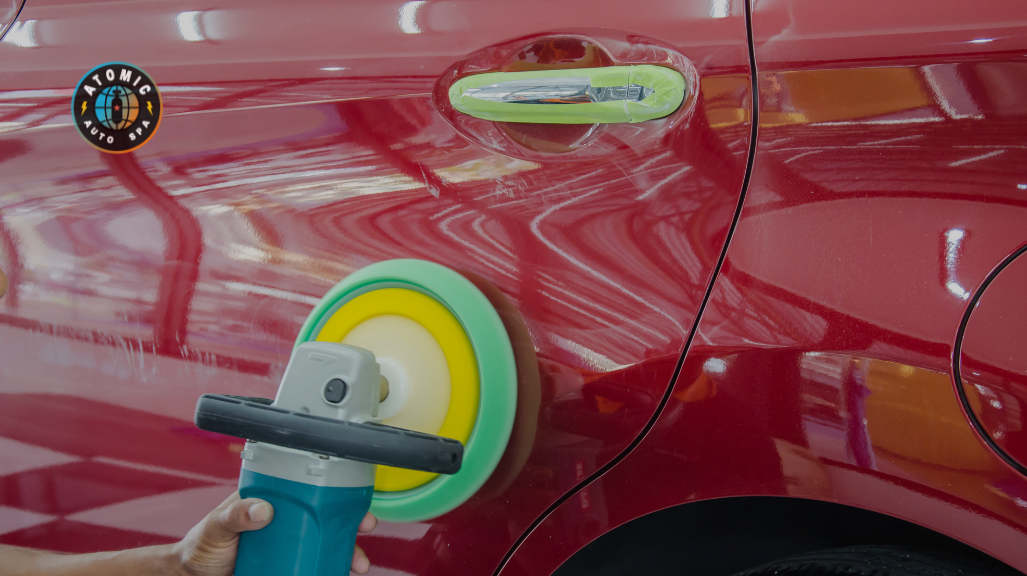
Hand Polishing vs. Machine Polishing
Hand Polishing
This is the safest route for most drivers. Use a soft microfiber applicator pad and apply with light pressure in circular motions. It’s slower, but you’ll avoid overdoing it.
Machine Polishing
Dual-action polishers can be used—but with great care. Keep the speed low and pressure light. Stick to polishing pads, not cutting pads, and do a small test spot first.
When to Polish (And When Not To)
Polish When:
The film has minor swirl marks or haze
You want to prep for a ceramic coating
The gloss has noticeably diminished
Don’t Polish When:
The film is peeling or cracked
It’s heavily yellowed or stained
You’re not sure what kind of polish is safe
In these cases, seeking professional help or considering replacement is safer.
Related: How to Tell If Your Paint Protection Film Needs Replacing
Tips from the Pros
Work in the shade and on a cool surface
Use clean microfiber towels and pads
Avoid cross-contamination with pads used on bare paint
Tape off the edges of the exposed film to prevent lifting
A clean work area and the proper lighting go a long way in spotting progress and avoiding damage.
When to Let the Experts Handle It
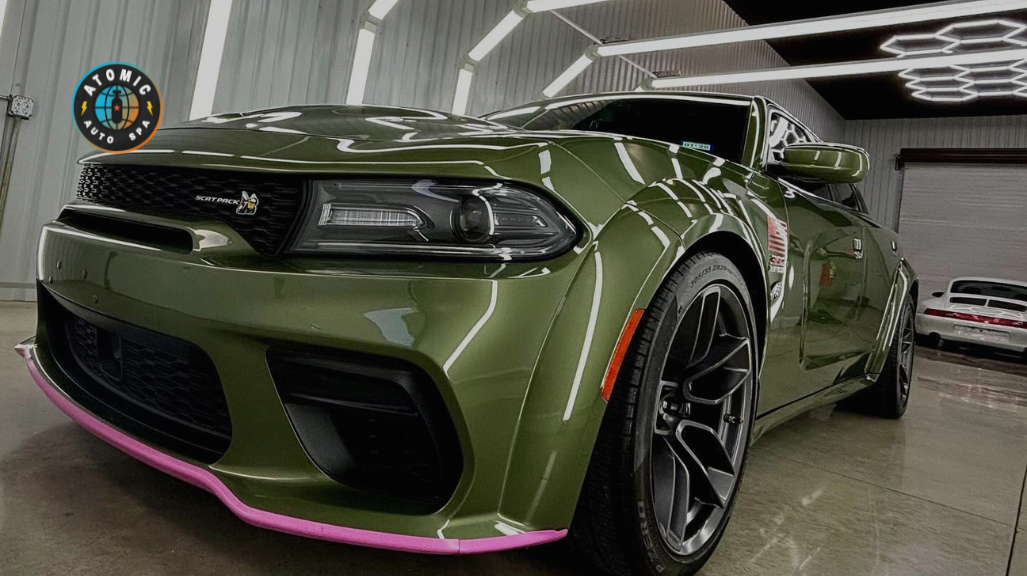
If you’re unsure, bring your vehicle to a professional detailing shop. At Atomic Auto Spa, we inspect the condition of your PPF and determine if polishing is the right move or if other options, like topcoat rejuvenation or ceramic layering, are better.
We’re here to help you keep your vehicle looking its best while protecting your investment.
Reach out to our team in Round Rock for guidance or a quick inspection.