
DIY vs. Professional Maintenance for Paint Protection Film
Many Texas drivers invest in paint protection film (PPF) to preserve their car's showroom shine, but then comes the follow-up question: Should you handle the upkeep yourself or call in the pros? Both approaches have their pros and cons. Let’s break down what you need to know to keep your film looking fresh, protected, and long-lasting, without damaging it along the way.
If you're still new to PPF, consider exploring our Paint Protection Film Services in Round Rock to learn more about how we install and maintain these films for Texas drivers.
TL;DR
DIY maintenance of PPF is doable with the right tools, techniques, and consistency. But it comes with the risk of accidental damage if you don't follow best practices. Professional maintenance offers expertise, specialized tools, and convenience—but at a cost. Most drivers benefit from a blend of both: simple weekly upkeep at home and occasional pro check-ups for longevity.
Table of Contents
What Does PPF Maintenance Involve?

Maintaining paint protection film isn't just about keeping the car clean; it's also about preserving its value. It's about preserving the film's clarity, adhesion, and hydrophobic qualities. Maintenance typically includes:
Gentle washing
Drying with microfiber cloths
Applying PPF-safe detail sprays
Checking for lifting edges or bubbles
Removing contaminants like bird droppings, sap, and bug splatter promptly
It might seem simple, but how you do these tasks can make all the difference.
DIY Maintenance: What You Can Do at Home
With some basic knowledge, you can manage your day-to-day care independently. Here's what most drivers in Round Rock can easily do:
Weekly Washing: Use pH-neutral car shampoo and the two-bucket method.
Drying: Soft microfiber towels only. Pat, don’t rub.
Detail Sprays: Use PPF-safe sealants or sprays every few weeks to maintain the integrity of the coating.
Spot Cleaning: Quickly clean off bird droppings and tree sap.
If you're just getting started, check out How to Wash a Car with PPF for a detailed guide.
Risks of DIY Maintenance
While it's empowering to take care of your vehicle, DIY comes with some potential pitfalls:
Too much pressure: Using a high-pressure washer too close can lift the film edges.
Incorrect products: Some waxes or cleaners may cause the film to stain or dull.
Improper techniques: Scrubbing or using dirty towels can scratch the top coat.
A good resource to avoid mistakes: Can You Use a Pressure Washer on PPF?
Benefits of Professional PPF Maintenance

Taking your vehicle to a pro has its advantages:
Expert Inspections: We catch lifting edges, fading, and other signs of wear before they become big problems.
Specialized Tools: We use decontamination foam, soft water systems, and polishing tools designed for PPF.
Protective Reapplications: We can refresh topcoats or apply ceramic coating over the PPF.
For example, How to Tell If Your Paint Protection Film Needs Replacing covers what professionals look for.
When You Should Call a Pro
Not every smudge or spot needs a trip to the shop, but here are situations when you should consider professional maintenance:
Visible lifting at the edges
Yellowing or haziness
Embedded contaminants
After a harsh winter or a long road trip
Even if everything appears to be okay, a bi-annual check-up at your trusted shop helps ensure the film performs well in the long term.
Cost Comparison: DIY vs. Professional
Let’s talk dollars.
|
Type |
Average Cost |
Frequency |
|
DIY Washing Supplies |
$50–100 (initial setup) |
Monthly |
|
PPF Detail Sprays |
$20–40 |
Every 4–6 weeks |
|
Pro Inspection & Wash |
$75–150 |
Every 3–6 months |
|
Ceramic Boost Application |
$100–200 |
Yearly or as needed |
DIY is more affordable in the short term, but occasional professional servicing extends the life of your PPF and keeps it looking like new.
Our Take: The Hybrid Approach
You don’t have to choose one side. A combo of both methods gives you the best outcome:
Do your gentle washing every week or two
Use a good PPF-safe spray monthly
Schedule a pro maintenance session every 4–6 months
This approach gives you peace of mind and maximizes your investment.
Final Thoughts
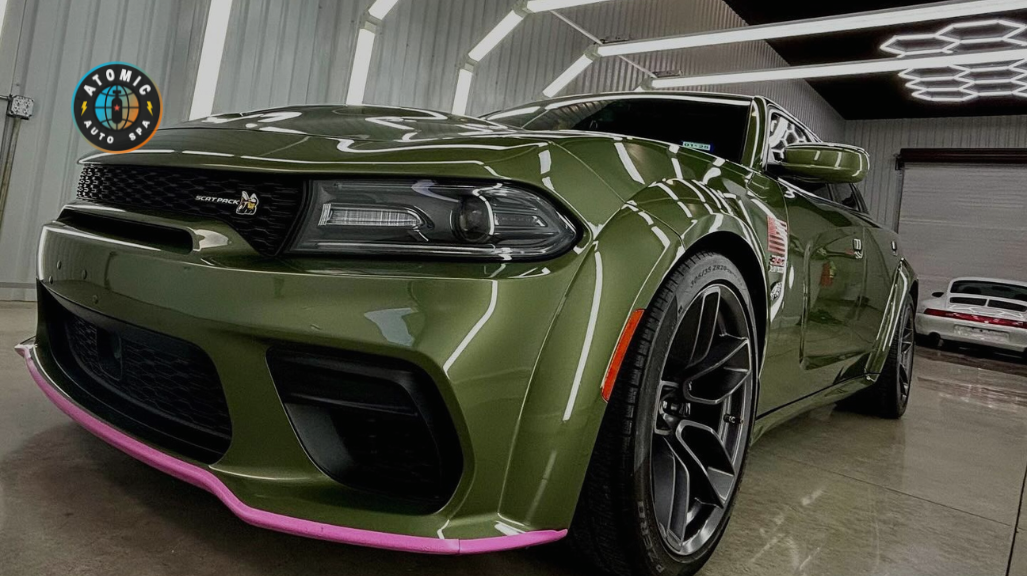
Whether you're a car enthusiast or just someone who wants their ride to look sharp, PPF maintenance doesn’t have to be complicated. With a bit of know-how, you can handle the basics at home and rely on professionals when it counts. If you’re ever in doubt, reach out to our team at Atomic Auto Spa in Round Rock – we’re here to help.
Related Posts: