
TL;DR
Both options protect your paint, but they serve different needs. Full Front PPF covers high-impact areas (bumper, hood, fenders, mirrors) and is the best value for most daily drivers. Full Body PPF wraps the entire vehicle and is ideal for luxury, exotic, or long-term ownership where you want near-total protection and the cleanest finish. In Central Texas, where UV, bugs, and highway debris are constant, start with Full Front, and choose Full Body if you want “showroom-new” coverage everywhere. For expert guidance or a custom package, contact Atomic Auto Spa Round Rock | Tint, Ceramic & PPF.
Table of Contents
1) What Does Paint Protection Film Actually Do?
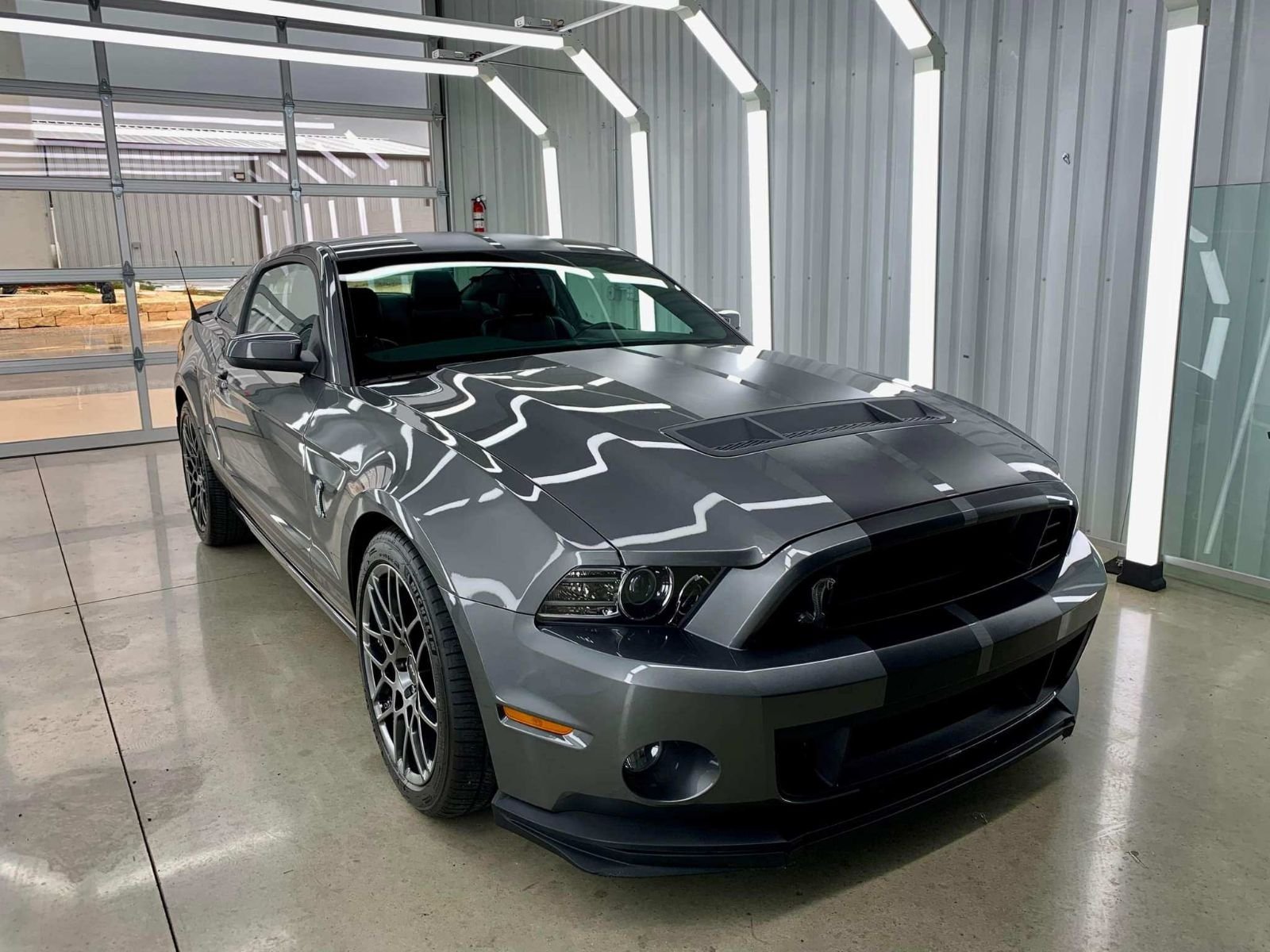
Paint Protection Film (PPF) is a clear urethane layer that absorbs physical impact—think rock chips, sand, road debris, and light abrasions—so your paint doesn’t. It also adds UV resistance and helps prevent etching from bugs and bird droppings. Properly installed, PPF typically lasts 5–10 years and significantly preserves resale value.
Learn more or get a quote here: Paint Protection Film Installation in Round Rock.
Would you prefer to start at the leading site? Atomic Auto Spa Round Rock | Tint, Ceramic & PPF
2) What’s Included in a Full Front PPF Package
A Full Front package usually covers the:
Front bumper
Full hood
Full front fenders
Headlights and side mirrors
Optional: A-pillars and front roof edge (depending on package)
Who it’s for: Daily drivers, commuters on I-35, families, and anyone wanting the best bang-for-buck protection where damage happens most.
Why it works: 80–90% of impact hits the front-facing surfaces. Full Front catches the bulk of chips and sandblasting while keeping costs reasonable.
3) What’s Included in a Full Body PPF Package
Full-body protection wraps every painted surface, including the hood, fenders, doors, roof, pillars, quarter panels, rear bumper, trunk, and sometimes gloss trim. It minimizes visible seams, delivers the cleanest, most uniform finish, and protects against door dings, shopping cart scuffs, and brush-by scratches along the entire car.
Who it’s for: Luxury/exotic owners, meticulous enthusiasts, darker paint colors (which show swirls), lease turn-in perfectionists, and long-term owners.

4) Side-by-Side Comparison: Full Front vs Full Body
Factor | Full Front PPF | Full Body PPF |
Coverage | High-impact zones up front | Every painted surface |
Protection Level | Excellent for chips & debris | Maximum, uniform protection |
Aesthetics | Great; seams only at transitions | Best, nearly invisible overall |
Cost | $$ (mid-range) | $$$$ (premium) |
Maintenance | Easy | Easiest (whole car protected) |
Best For | Daily drivers, commuters, value | Luxury/exotic, dark paints, long-term keepers |
If you’re unsure which bucket you fall into, skim this first: Pros and Cons of Paint Protection Film.
5) How to Choose Based on Your Vehicle, Driving Habits, and Budget
Budget-minded daily driver
Pick Full Front first. It shields the areas that get hammered, especially on highway runs.
Add door edge/handle cups later if you notice scuffs.
Luxury, performance, or black/dark paint
Consider Full Body. Dark colors reveal everything; a full wrap ensures the entire finish remains consistent and swirl-free.
Long-term ownership (5–10 years)
Full Body delivers the most resale value over time and keeps paint correction costs low.
Highway commuter on I-35
Full Front minimum. If you park in tight garages or city streets, upgrading doors/quarters helps avoid scuffs and dings.
Still deciding? Read how long PPF realistically lasts and what affects lifespan:
How Long Does Paint Protection Film Last on a Car?
Top Benefits of Installing Paint Protection Film
6) Texas-Specific Advice (Round Rock & Central TX Roads)
Central Texas experiences intense UV rays, bug seasons, and loose gravel from construction zones. For most drivers in Round Rock:
Start with Full Front to shield the “splash zone.”
If you frequently park downtown Austin or in tight complexes—or if you own a darker vehicle—Full Body is worth the jump.
Wash technique matters: a protected car still benefits from good contactless washes and proper drying. For Texas-specific maintenance tips, read Protect Your Car’s Paint in Texas Weather.
7) Add-Ons: Ceramic Coating on Top of PPF
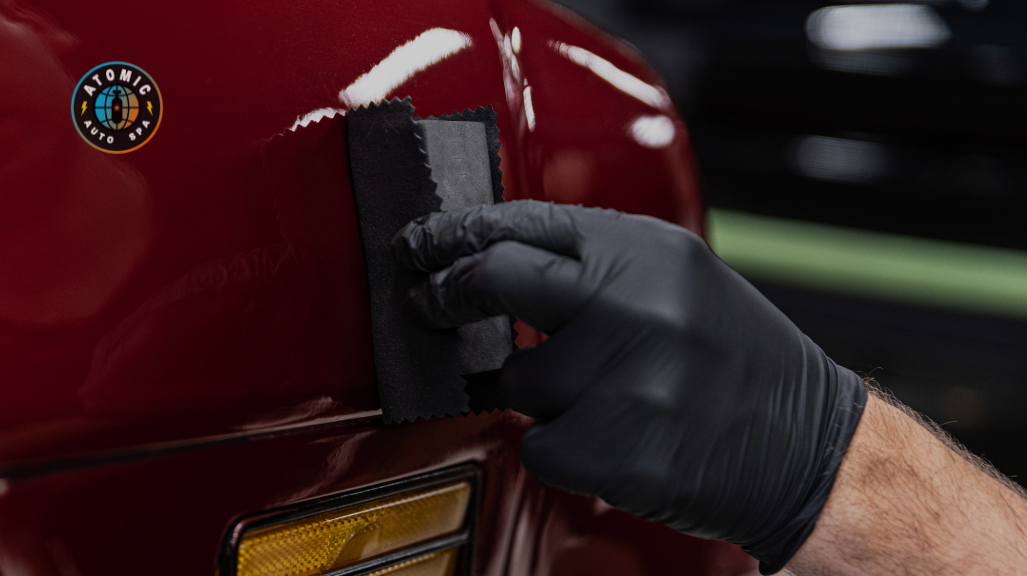
PPF gives impact protection. Ceramic coating adds hydrophobic properties, easier cleaning, and gloss. Many clients combine the two for the best appearance and maintenance experience.
Service overview: Ceramic Coating Packages – Round Rock
Comparison refresher: PPF vs Ceramic Coating: Which One Should You Choose?
8) Final Verdict
Choose Full Front PPF if you want the smartest value and drive mostly highways or suburban routes. It protects where it counts and looks excellent.
Choose Full Body PPF if you want the cleanest finish everywhere, own a luxury/exotic or dark-colored car, or plan to keep your vehicle for many years.
Either way, you’ll reduce chips, preserve gloss, and maintain a high resale value. If you want help sizing the right package, start here:
Paint Protection Film Installation in Round Rock. Contact Atomic Auto Spa Round Rock for Tint, Ceramic & PPF.
FAQs
Done right, it’s nearly invisible. Under harsh light, you may spot a seam where coverage stops; Full Body eliminates those transitions.
Yes. Many drivers start with Full Front and add panels over time (doors, rockers, quarters) as budget allows.
Not required, but highly recommended for easier washing and a glossier finish. See: Ceramic Coating Over PPF – Should You Do Both?.
We work with top films (XPEL, 3M, SunTek). For a side-by-side overview, read: Best Brands of Paint Protection Film: XPEL vs 3M vs SunTek.