
Paint Protection Film (PPF) has become a popular choice among car owners who want to preserve the pristine appearance of their car’s paint. This transparent, durable film protects a car’s paint from scratches, chips, and environmental damage. However, understanding the cost of PPF can be challenging due to the various factors that influence pricing. So, what is the average cost of paint protection film?
In this article, we’ll discuss the main factors affecting paint protection film cost, the tradeoffs involved, and the importance of balancing quality and affordability.
What is Paint Protection Film?
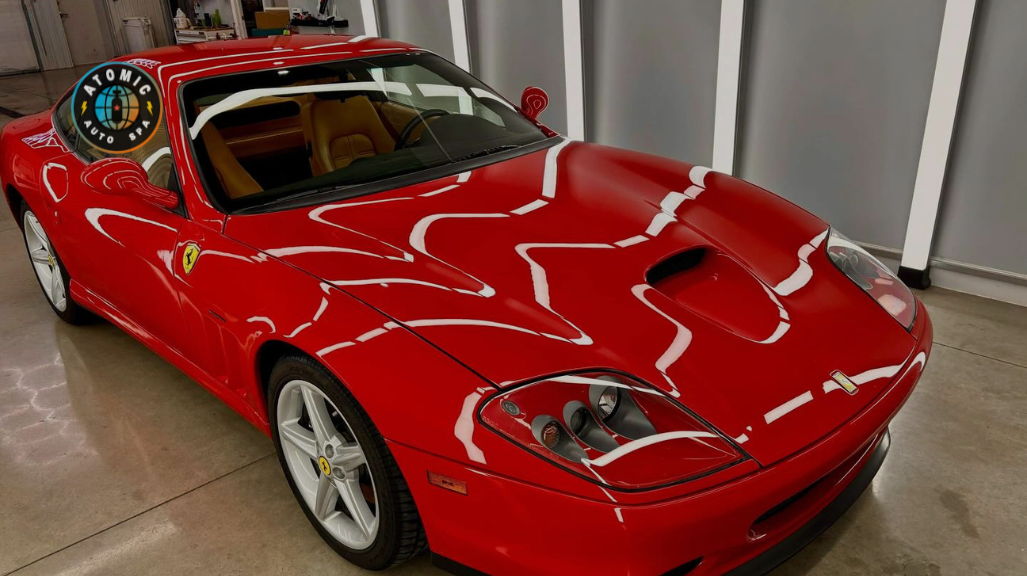
Paint Protection Film (PPF) often stands out as a top solution when considering ways to protect your vehicle’s paint. This section explores PPF, how it works, and the benefits it offers to car owners who want to maintain their vehicle’s appearance and value.
This section introduces the concept of Paint Protection Film (PPF) and explains its primary purpose: protecting the exterior of a car. Readers will gain a clear understanding of PPF and its key benefits, such as protection against scratches and environmental damage.
Paint Protection Film, often referred to as PPF or clear bra, is a thermoplastic urethane film applied to a vehicle’s exterior. It provides a protective barrier against:
Rock Chips: Prevents damage from debris kicked up on the road.
UV Rays: Protects paint from fading and discoloration caused by prolonged sun exposure.
Scratches: Minimizes damage from minor abrasions. PPF is particularly effective at minimizing damage from minor scratches, ensuring your vehicle’s paint remains in excellent condition.
Chemical Contaminants: Resists stains from bird droppings, tree sap, and acid rain.
PPF is widely used due to its self-healing properties, durability, and ability to maintain a car’s original finish.
Average Cost of Paint Protection Film
Budgeting for PPF can be overwhelming without understanding the typical costs involved. In this section, we’ll break down the average price ranges for different levels of coverage and explain how these costs align with the benefits of paint protection.
The cost of PPF varies based on several factors, but on average, it falls within these ranges:
Coverage Area | Estimated Cost | Details |
|---|---|---|
Partial Coverage (e.g., hood, mirrors) | $500–$1,500 | Ideal for protecting high-impact areas. |
Full Front-End Coverage | $1,500–$3,000 | Covers hood, fenders, mirrors, and bumper. |
Full Vehicle Coverage | $5,000–$10,000+ | Provides complete protection for the entire vehicle, ensuring every part of your car is safeguarded. |
Factors Influencing Paint Protection Film Cost
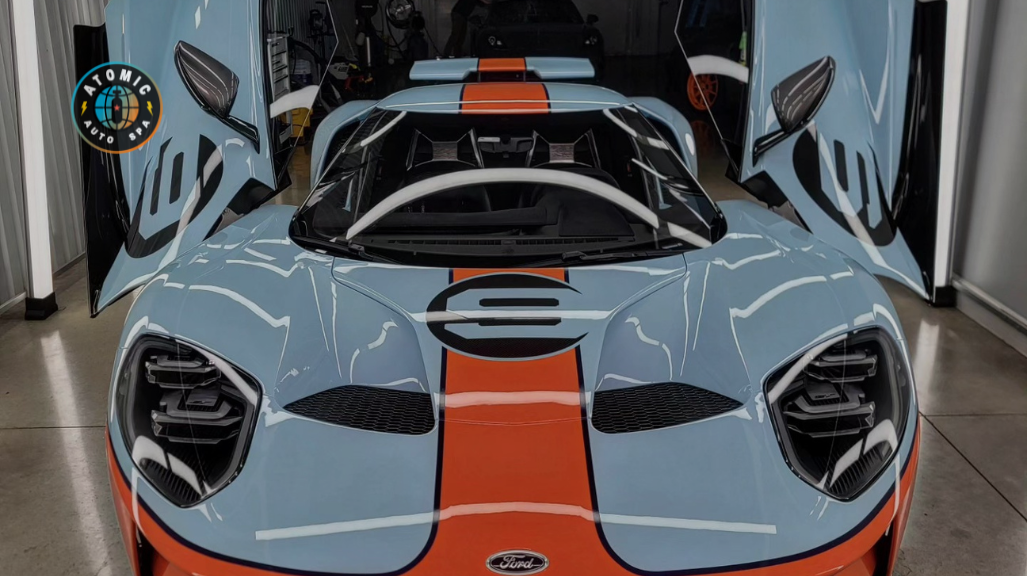
Why does the cost of PPF vary so widely? This section uncovers the key factors that influence pricing, from the quality of the film to the complexity of the installation, helping you identify what’s most important for your needs.
Several elements determine the price of PPF, including:
1. Type and Quality of Film
Standard PPF: Offers essential protection but may lack advanced features like self-healing or hydrophobic properties.
Premium PPF: High-end films, such as those with enhanced durability, UV resistance, and stain protection, are more expensive.
Different paint protection films, such as clear and matte, offer various benefits and features for automotive customization.
2. Vehicle Size and Design
Larger vehicles like SUVs and trucks require more material, increasing costs.
Complex designs with intricate curves or edges demand more labor for precise application.
3. Coverage Area
Partial coverage focuses on high-risk areas, while full coverage offers comprehensive protection but at a higher cost. The front bumper is one of the most vulnerable parts of a vehicle and requires adequate protection against road debris and other hazards.
4. Installation Quality
Professional installation ensures better results when installing paint protection film, minimizing the risk of visible seams or bubbles, but comes with higher labor charges.
DIY kits are cheaper but may result in visible seams or bubbles if not applied correctly.
5. Location and Market Demand
Urban areas with higher labor costs often have pricier installations compared to rural regions.
Tradeoffs in Balancing Cost and Quality
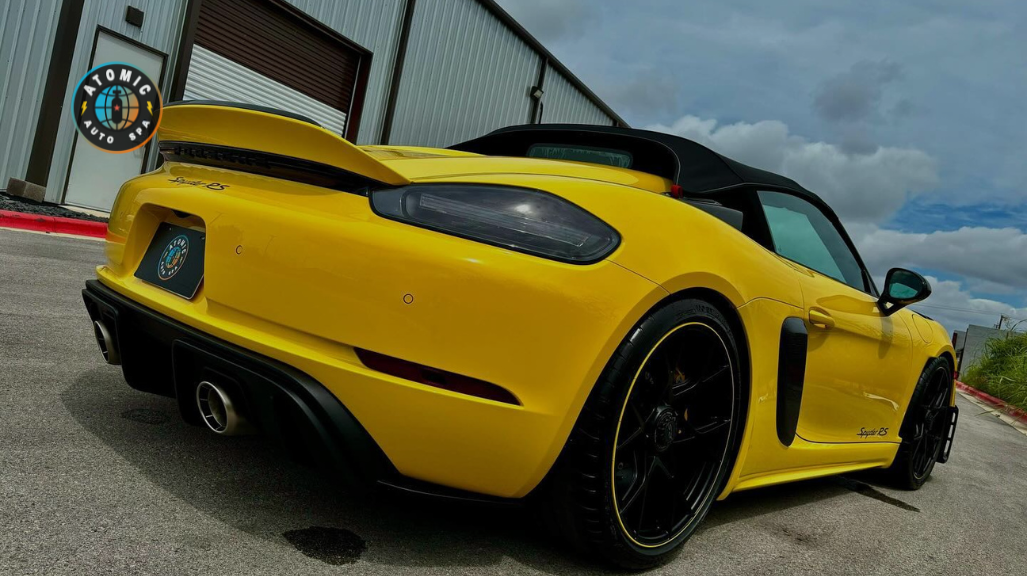
Choosing the right PPF involves making tradeoffs between cost and quality. This section discusses the compromises you may face, such as deciding between professional installation and DIY kits or selecting partial versus full coverage.
When deciding on a PPF installation, car owners must weigh the tradeoffs between cost and quality. Here are some considerations:
Investing in Premium Film vs. Budget Options
High-quality films offer superior protection and longevity but come at a premium price.
Budget films may require more frequent replacements, increasing long-term costs.
Professional Installation vs. DIY Kits
Professional installation ensures a flawless finish, but DIY kits save money upfront.
While professional installation may have a higher upfront cost, it can lead to significant cost savings by reducing the need for future repairs.
Mistakes during a DIY application can lead to additional expenses for repairs.
Partial vs. Full Coverage
Partial coverage protects high-impact areas but leaves other parts of the vehicle exposed.
Full coverage provides comprehensive protection but significantly increases the cost.
By considering these tradeoffs, car owners can make a choice that aligns with their budget and priorities.
Challenges in Choosing Paint Protection Film
Navigating the many options available for PPF can be challenging. Here, we’ll address common obstacles car owners face, such as selecting the right type of film, evaluating installation services, and staying within budget. By understanding these challenges, readers can approach the process more confidently.
Selecting the right PPF solution involves overcoming certain challenges, such as:
Understanding Different Film Types
With numerous brands and types of PPF available, choosing the best one for your needs can be overwhelming.
Evaluating Installation Services
Not all installers deliver the same level of quality. Researching reviews and certifications is crucial. Evaluating the quality of paint protection film installation services is crucial to ensure a seamless and durable application.
Budget Constraints
Balancing affordability with long-term value requires careful consideration of coverage options and film quality.
Importance of Considering the Impact of PPF Cost
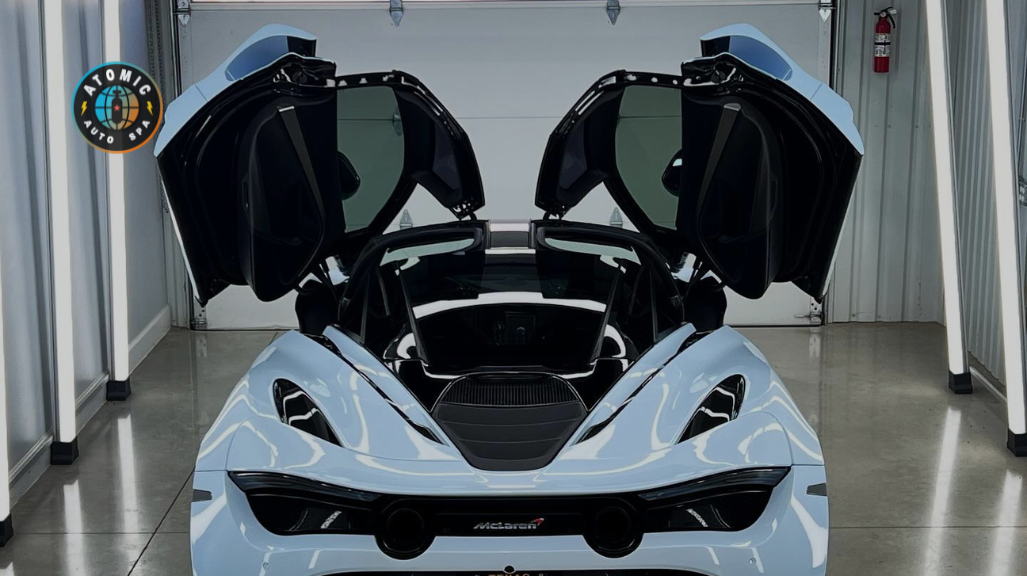
Deciding whether to invest in PPF requires looking beyond upfront costs. This section highlights the long-term benefits of PPF, such as reduced maintenance expenses and preserved resale value, to help you see the bigger picture.
Investing in PPF isn’t just about the initial cost; it’s about the long-term benefits it provides:
Preserving Resale Value: Protecting your car’s paint helps maintain its appearance, increasing its resale value.
Reducing Maintenance Costs: Investing in PPF provides comprehensive vehicle protection, reducing the need for frequent paint repairs and touch-ups over time.
Enhancing Aesthetic Appeal: A well-applied film keeps your car looking newer for longer.
At Atomic Auto Spa, we offer tailored PPF solutions that prioritize both quality and affordability, ensuring you get the most value for your investment.
Frequently Asked Questions
Yes, PPF provides long-term protection for your vehicle’s paint, helping maintain its appearance and resale value.
High-quality PPF typically lasts between 5 and 10 years with proper maintenance.
DIY kits are available, but professional installation ensures a flawless finish and optimal performance. While installing PPF yourself can save money, it is essential to ensure a high-quality application to avoid future issues.
No, PPF is designed to be nearly invisible, enhancing the car’s original shine while protecting it.
Yes, PPF can safely remove by professionals without damaging the car’s paint.
Understanding the average cost of paint protection film requires evaluating multiple factors, including the type of film, installation quality, and coverage area. While the initial expense can be high, the long-term benefits—from protecting your car’s paint to preserving its value—make PPF a worthwhile investment for many car owners.
Whether you’re considering partial coverage or a full-vehicle application, working with professionals like Atomic Auto Spa to ensure optimal results is essential. Contact us today to learn more about our PPF services and how we can help safeguard your vehicle.