
Does Paint Protection Film Prevent All Damage?
TL;DR
Paint Protection Film (PPF) adds a tough, nearly invisible shield that guards your car from scratches, chips, and UV rays—but it's not a magic force field. It can prevent most common damage from road debris, sun exposure, and minor scuffs, but it's not bulletproof. Big impacts, such as poor installation or neglect, can still cause damage. Think of it as practical armor, not invincibility.
Table of Contents

What PPF Protects Against
PPF is designed to absorb everyday abuse from the road. We're talking about:
Rock chips and gravel
Minor scratches and scuffs
Bug splatter
Bird droppings
UV fading from the Texas sun
The top layer of the film often includes self-healing properties, which means it can "bounce back" from light scratches when exposed to heat. This makes it especially appealing for Round Rock drivers facing constant sun and highway miles. For a complete overview of what PPF is made to handle, see our article What Is Paint Protection Film and How Does It Work?
Limits of Paint Protection Film
Even the best PPF has its boundaries. Here's what it might not protect against:
Major collision damage
Deep gouges from sharp metal or tools
Damage from improper car washing (yes, it still matters)
Paint lifting due to bad prep or poor installation
If someone hits your car with a shopping cart hard enough, the film might absorb some force, but it can't stop dents or deep scratches. Over time, if the edges lift or it's exposed to harsh chemicals, PPF can degrade.
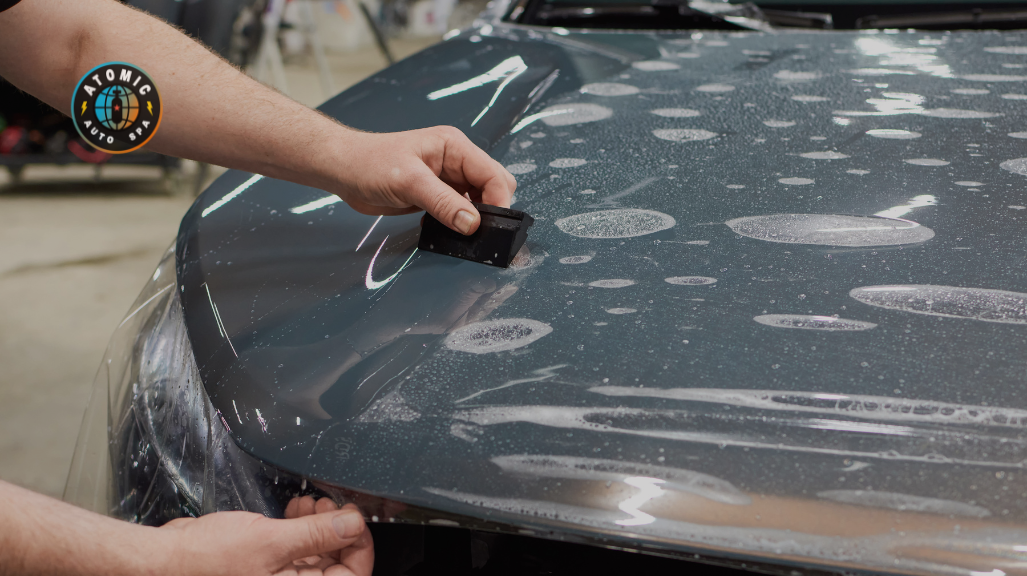
Realistic Expectations: What PPF Can and Can’t Do
One of the biggest misconceptions is that PPF makes your car invulnerable. It doesn't. It's like wearing a motorcycle jacket—it protects your skin from scrapes, not a broken bone from a crash.
Setting realistic expectations is key. You won’t have to worry about small rocks on the toll roads around Round Rock. But if you drive behind a gravel truck or scrape a pole? No film is saving that.
Want to know if it fits your driving habits? Check out our post on Is Paint Protection Film Worth It for Texas Drivers?
When Damage Still Happens
Here’s what might still cause problems:
Improper installation – Cheap shops may skip surface prep, which leads to peeling and bubbling.
Washing with abrasive materials – Harsh brushes or dirty towels can scuff the film.
Not maintaining it – Ignoring routine care (or parking under a sap-dripping tree daily) accelerates wear.
We break down cleaning tips in How to Maintain Paint Protection Film, including what products are safe.
How to Maximize PPF Protection
To get the most from your PPF install:
Choose a qualified installer like Atomic Auto Spa in Round Rock
Wash regularly and use PPF-safe cleaners
Avoid automatic car washes with harsh brushes
Consider combining it with ceramic coating for added protection
Should we pair PPF with a coating? We explain it all in Ceramic Coating vs PPF.
Final Thoughts: Is It Still Worth It?

Absolutely—if you're the driver who wants to protect your investment and keep your car looking sharp, especially here in Texas. Just remember: it's not about eliminating every possible hazard. It's about cutting down your risk significantly.
And that peace of mind? For many Round Rock drivers, it's more than worth it.