
TL;DR
Ceramic coating offers durable protection with a glossy finish and ease of maintenance, making it ideal for daily drivers and appearance-focused car owners. PPF (Paint Protection Film) provides superior impact resistance against rock chips and scratches, making it a better fit for high-risk driving environments. The best choice depends on your vehicle type, lifestyle, and protection priorities. Learn how both compare regarding durability, cost, appearance, and maintenance.
Looking to protect your car’s paint from the Texas sun, scratches, or daily wear and tear? You’ve likely heard of ceramic coatings and paint protection film (PPF). While both are excellent paint protection solutions, they serve different purposes. Understanding their differences will help you choose the best option for your vehicle.
If you’re considering ceramic coating in Round Rock, learn more about our ceramic coating service here.
Table of Contents
What Is Ceramic Coating?
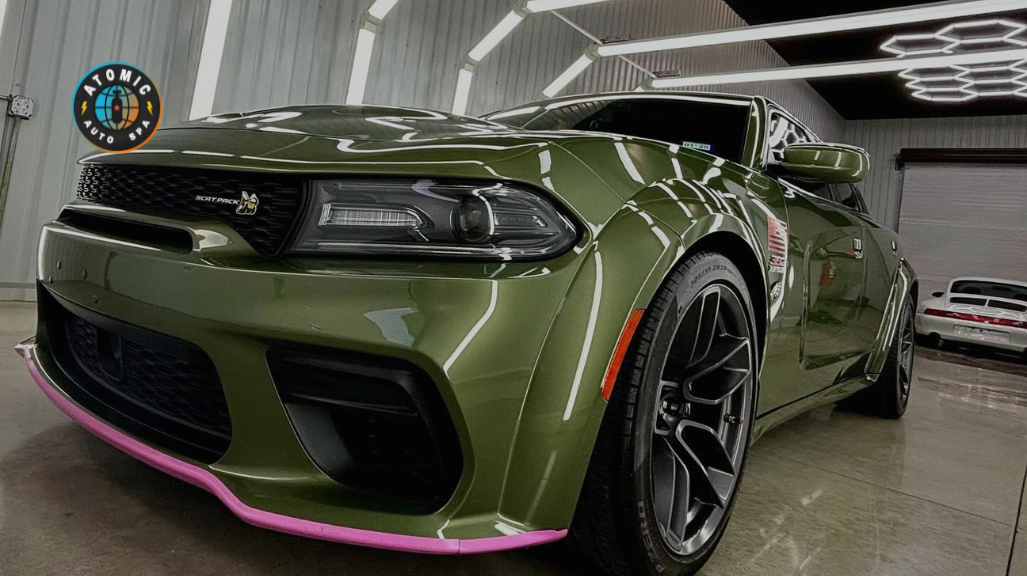
Ceramic coating is a liquid polymer applied to your car’s exterior. Once cured, it forms a chemical bond with the factory paint, creating a hydrophobic surface that repels water, dirt, and UV rays.
Key Benefits:
Enhances gloss and depth
Protects against UV rays and oxidation
Makes cleaning easier
Lasts 2–5 years, depending on the product and care
Ceramic coating doesn’t protect against rock chips or deep scratches, but excels at long-term appearance maintenance.
What Is Paint Protection Film (PPF)?
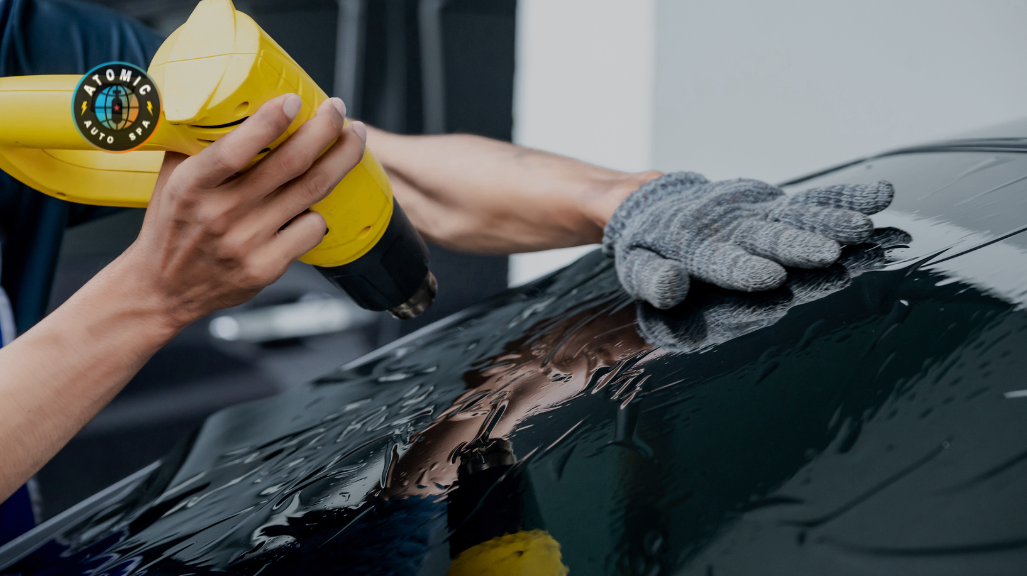
PPF is a thick, flexible polyurethane film applied over the paint. It physically shields the surface from chips, scratches, road debris, and bug splatter. It’s nearly invisible and self-healing, meaning light swirls and scratches disappear with heat.
Key Benefits:
Maximum protection against physical damage
Self-healing surface
Preserves resale value by protecting the original paint
Can be applied selectively (e.g., front bumper, hood)
PPF is generally more expensive and may require more care to avoid discoloration over time.
Head-to-Head Comparison
Feature | Ceramic Coating | Paint Protection Film (PPF) |
Protection Level | UV, chemical, minor swirl resistance | Physical impact, chips, scratches |
Finish | Gloss-enhancing, mirror-like | Matte or gloss, depending on the film |
Durability | 2–5 years | 5–10 years |
Maintenance | Simple wash routine | Gentle hand wash preferred |
Cost | $$ (Mid-range) | $$$ (Higher initial cost) |
Self-Healing | ❌ | ✅ (Minor scratches disappear with heat) |
Installation Areas | Full-body application | Targeted areas or full-body |
Which Option Is Right for You?
Choose Ceramic Coating if:
You prioritize ease of cleaning and long-term shine
You’re primarily concerned with UV rays, oxidation, and water spots
You drive primarily in urban or suburban areas with a low risk of flying debris
You’re looking for a budget-friendly protection solution with premium aesthetic appeal
➡️ Explore the full benefits of ceramic coating
Choose PPF if:
You frequently drive on highways or rural roads with high debris exposure
You want maximum protection against scratches, scuffs, and rock chips
You drive a luxury, sports, or high-investment vehicle
You’re willing to invest more upfront for stronger protection
➡️ Also read: Is Ceramic Coating Worth It for Daily Drivers in Round Rock?
Can You Combine Ceramic Coating and PPF?
Yes! Many car owners combine both for optimal protection. The PPF is applied to high-impact zones (bumpers and hood), while ceramic coating is layered to enhance gloss and make the entire vehicle easier to maintain.
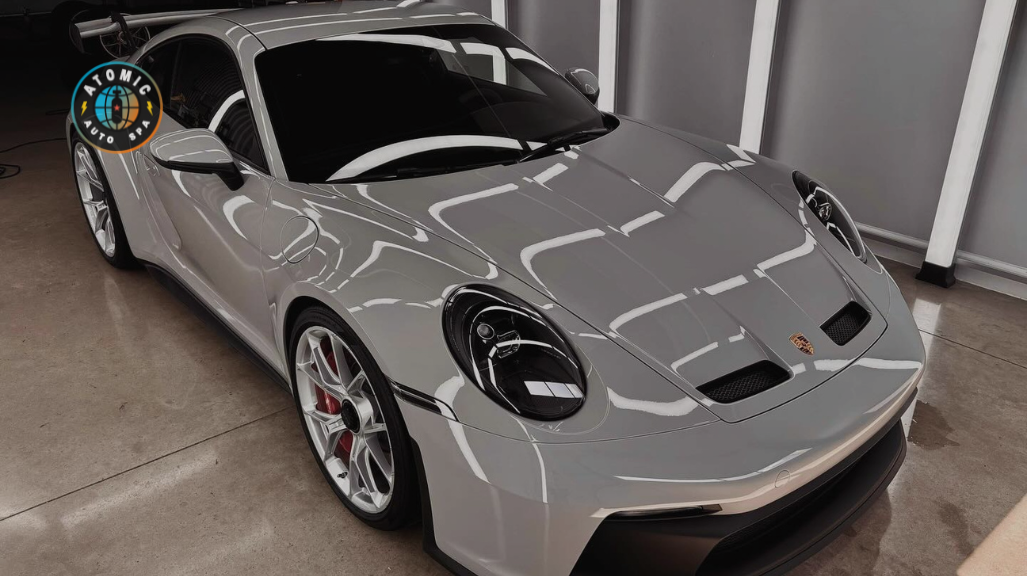
This hybrid approach offers the best of both worlds — physical protection from PPF and chemical protection with added shine from ceramic coating.
Final Thoughts
Choosing between ceramic coating and PPF comes down to your priorities — aesthetics, budget, and protection needs. If you’re still unsure, our Atomic Auto Spa Round Rock experts can help you decide the best combination for your lifestyle and vehicle type.