
Does PPF Turn Yellow in the Sun?
TL;DR
Modern, high-quality paint protection film (PPF) is designed to resist yellowing, even under the Texas sun. Older or low-grade films can discolor over time due to UV exposure and oxidation, but trusted brands like XPEL and SunTek have UV-resistant layers that prevent this. If you're seeing yellowing, it's likely due to poor-quality film, age, or improper maintenance.
Table of Contents
What Causes PPF to Yellow?
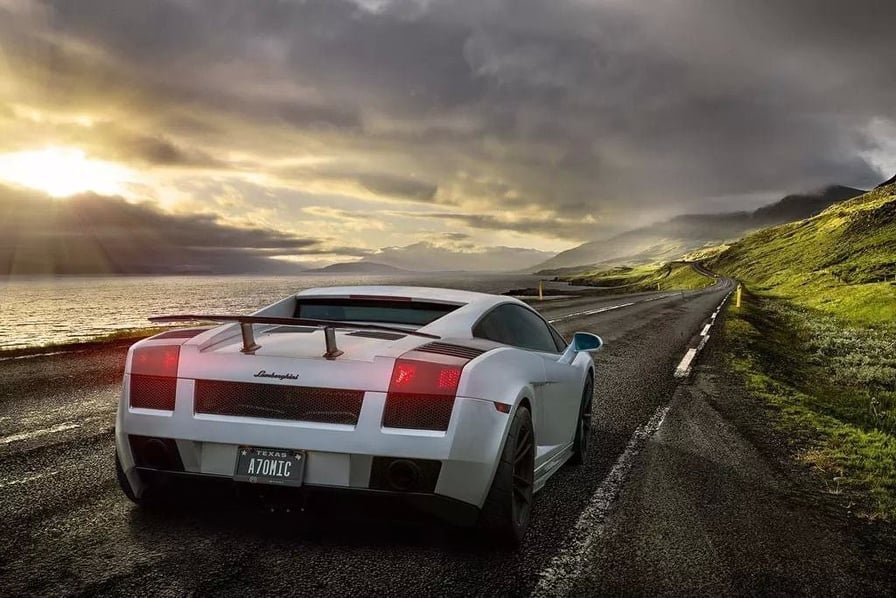
Yellowing was among the most common complaints with older generations of paint protection film. The discoloration often came from:
UV Exposure: Direct sunlight accelerates chemical degradation.
Oxidation: Air pollutants and oxygen react with the film material.
Low-Quality Materials: Inexpensive films lack stabilizers that resist yellowing.
Contaminants: Road grime, bug splatter, and industrial fallout can stain the film.
Once the film starts to yellow, it not only looks bad, especially on white or light-colored cars, but it can also signal a breakdown of protective properties.
Do all PPFs turn Yellow Eventually?
Nope. Not all PPFs are created equal.
High-end films from reputable brands use thermoplastic urethane (TPU) with UV inhibitors. These layers absorb or reflect UV rays to protect the film and your paint. Quality film can remain crystal clear with proper care for 5–10 years or more.
But yellowing is almost guaranteed if you opt for cheap, off-brand film, especially without a warranty.
How Modern PPF Technology Prevents Yellowing
Brands like XPEL, STEK, and SunTek have raised the bar:
Self-Healing Layers: Not just for scratch repair — they resist oxidation too.
Hydrophobic Topcoats: Repel water and contaminants to reduce staining.
UV-Absorbing Agents: Chemically built-in blockers reduce yellowing.
Warranties: Many premium films come with 10-year warranties against yellowing.
At Atomic Auto Spa, we only work with advanced film tech that’s tested for longevity in sunny climates like ours.
Best Practices to Prevent Discoloration

Even top-tier PPF needs a little love to stay clear:
Hand wash only (or touchless wash). Avoid harsh bristles.
Apply ceramic coating on top for extra UV and chemical resistance. (Here’s how it helps.)
Avoid extended sun exposure when possible.
Don’t let bird droppings or sap sit too long on the film.
You’ll preserve that fresh, clean look with just a bit of regular maintenance.
How to Handle Yellowing PPF
If your film is turning yellow, here’s what to do:
Mild Yellowing: Try a gentle polish with a PPF-safe cleaner. It may remove surface oxidation.
Widespread Discoloration: Likely time for replacement. Don’t risk your paint underneath.
Peeling or Bubbling? That’s a different issue. Check this article for tips.
If we didn’t install your current film, no worries. We offer assessments and removal/replacement services to get your car back to looking sharp.
Should Texas Drivers Be Worried?

The Texas sun is no joke. But with the proper film and a bit of care, yellowing shouldn’t be a concern.
We install PPF on cars that see daily sun exposure in Round Rock, and they have held up great for years. Skip the bargain-bin options and trust the experts who understand how to prep, install, and maintain your protection correctly.